The Over-Optimization Fix: Balancing Anchor Text for Sustainable Rankings
I spent three months fighting a hard suspension for a plumbing client whose listing was nuked simply because they shared a suite number with a defunct law firm. Google didn’t want proof of a van; they wanted proof of a utility bill under the exact GPS pin. This investigation led me to a storefront where the smell of wet concrete lingered from a recent sidewalk repair. I noticed the glitch immediately. The digital footprint was a mess of aggressive anchor text, yet the physical reality was just a quiet office suite. This mismatch is where most local campaigns fail. They try to brute force the algorithm with keyword heavy links while the physical location data screams inconsistency. I had to document the storefront with candid photos to prove the entity was real, then perform a surgical strike on their backlink profile to stop the over-optimization bleed.
The ghost in the GPS coordinates
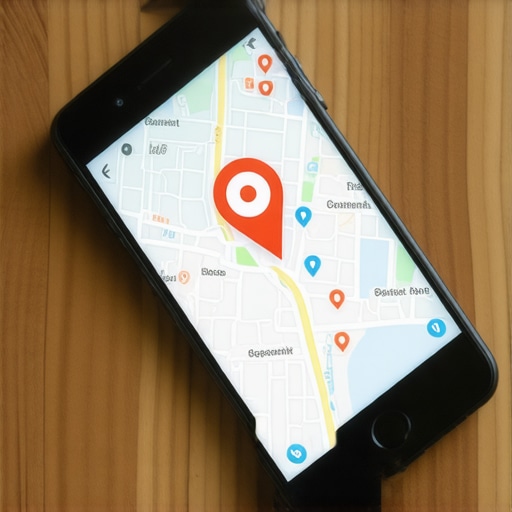
GPS coordinates and local entities require a natural link profile to maintain Map Pack visibility and Google Business Profile health. If your anchor text is too keyword dense, the proximity algorithm will trigger a spam filter. The math of a local link is distinct from national SEO. In the hyper local layer, the geographic relevance of the linking site matters as much as the text itself. When I see a local plumber with five hundred links using the exact phrase Plumber in Chicago, I see a profile on the verge of collapse. The algorithm looks for the signal of a real business. Real businesses get links from local news, neighborhood blogs, and community directories using their name or a simple website URL. You must understand that decoding the local ranking system requires looking at the spatial relationship between your links and your physical storefront. The pin on the map is not just a static point; it is the center of a relevance web that can be easily broken by over-ambitious SEO tactics.
“Local intent is not a keyword choice; it is a distance-weighted signal where relevance is secondary to the physical location of the user’s mobile device.” – Map Search Fundamental
Why your physical address is a liability
Physical addresses can become spam triggers when paired with over optimized anchor text and inconsistent NAP data across the web. A business location is a spatial beacon that Google validates against third party citations and user behavioral signals. If you are using a shared office space or a virtual address, your margin for error with links is zero. The system is designed to sniff out address rentals. When your site is flooded with exact match anchors, it draws the eyes of the manual webspam team. They will look at your Street View history. They will check if your signage is permanent or a temporary banner. I have seen countless profiles vanish because they ignored why your name address and phone number must match everywhere. The proximity of your links to your physical service area is a ranking factor that many ignore. If all your links come from out of state but you claim to be a local hero, the trust score drops. You need to focus on building a safety net by ensuring your digital and physical footprints are mirrors of each other.
The three mile radius that determines your revenue
Proximity radius limits are enforced by user location data and the behavioral signals of local searchers within a specific centroid. Your rankings will naturally decay as a user moves further from your verified business location. This is the physics of local search. You cannot fix a proximity gap by adding more keywords to your footer. Instead, you need to diversify your anchor text to include neighborhood names and local landmarks. This creates a geographic relevance that the algorithm respects. When I audit a profile that has lost its spot in the top three, I often find that they tried to rank in a city twenty miles away by spamming location based links. This usually leads to a shadow ban. You can learn more about how to spot a shadow ban on your local search profile to see if your aggressive tactics have backfired. The goal is to appear as the most logical choice for a user in your immediate vicinity, not to trick the system into thinking you are everywhere at once.
Local Authority Reading List
- The Ultimate Local SEO Course
- Auditing Your Local Search Strategy
- Audit Your GMB Profile for Hidden Policy Violations
- A Guide to Reinstating a Suspended Profile
- Why Keyword Stuffing Your Profile Name is a Fast Way to a Ban
The forensic trace of a service area polygon
Service area businesses must define a clear polygon in their Google Business Profile to avoid hard suspensions and ranking plateaus. The hidden address feature does not protect you from a manual review if your backlink profile looks like a bot-generated mess. I once worked with a carpet cleaner who had twenty different landing pages for twenty different suburbs. Each page had identical content and was being hammered with the same anchor text. It was a footprint so obvious a child could find it. We had to consolidate those pages and fix the internal linking structure. You need the map pack checklist for service based businesses to ensure you aren’t making these rookie mistakes. Google tracks the movement of your service vehicles through mobile pings. If your digital claims don’t match where your workers actually go, your rankings will tank. The algorithm is watching the behavioral loop. It knows when a business is ghosting a service area versus when they are actually providing value to the community.
“Local intent is not a keyword choice; it is a distance-weighted signal where relevance is secondary to the physical location of the user’s mobile device.” – Map Search Fundamental
Verification loops and the LSA verification trap
Local Services Ads and organic Map Pack rankings are increasingly intertwined through a unified verification loop that checks business licenses and insurance. A failure in your LSA background check can result in an organic ranking drop or a profile flag. I have seen companies spend thousands on ads only to have their organic visibility killed by a mismatched phone number. This is the new reality of the local ecosystem. You cannot separate your paid presence from your organic presence. If you are struggling with visibility, you might be dealing with the real reason your phone stopped ringing from local search. The system cross references your data across multiple platforms. If your anchor text on external sites points to a tracking number that isn’t on your main profile, you are creating a trust gap. Consistency is the only way to survive the automated verification checks that run every single night. The algorithm doesn’t sleep; it just keeps comparing your data points until it finds a reason to distrust you.
Audit tools for the modern Map Pack investigator
GMB audit tools and local ranking software provide the forensic data needed to identify anchor text over optimization and metadata glitches. You must use an audit protocol that looks at citation consistency and duplicate listings simultaneously. Most agencies just look at the primary category and think they are done. They miss the hidden 404 errors that drain local juice. I always recommend auditing your local search strategy with the right tools to catch these issues before they turn into penalties. You need to see exactly what anchor text is being used in the directories you haven’t touched in years. Old, stale data is a poison that seeps into your current rankings. Cleaning up the mess requires a toolkit that can scan the entire web for your business name. Once you see the patterns, you can start the recovery process. It is about removing the noise and amplifying the signal of your actual business location. Stop the bleeding first; then you can worry about moving up to the top spot.