Protecting Your Local Business From Malicious Profile Reporting
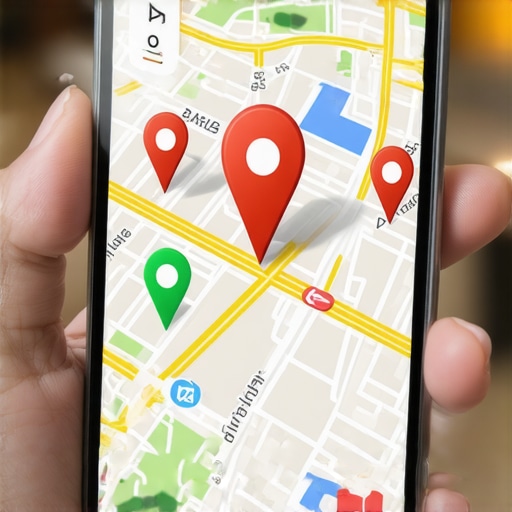
The air in my office always smells like laundry detergent and a heavy dose of suspicion. It is a side effect of watching local map data for twenty years. I see the glitches before the business owners do. I notice the sudden shift in a proximity beacon that suggests a competitor is playing dirty. A business listing is not just a digital business card. It is a high-stakes spatial database entry. When a malicious actor reports your profile as permanently closed or keyword-stuffed, they are attacking your physical livelihood. You must view your Google Business Profile as a Proximity Beacon that requires constant defense against the forensic traces of digital vandals.
The forensic audit of a review extortion case
Malicious profile reporting often manifests as a wave of fake reviews or targeted flags for address violations designed to trigger an immediate suspension. You can identify these attacks by auditing the GPS coordinate salience of the reporting accounts, checking user profile patterns, and monitoring Local Services Ads verification loops for sudden, unexplained failures in trust signals. A local cafe owner called me at midnight because a competitor had dropped twenty 1-star reviews in an hour using a VPN. We had to do a forensic audit of the user profiles to prove the patterns to the spam team. Each profile had a history of reviewing businesses in three different states within the same ten minute window. It was obvious to me, but to the automated system, it looked like a sudden drop in customer satisfaction. We didn’t just report the reviews. We tracked the IP clusters and the common language syntax used in the complaints. This level of detail is what separates a real defense from a generic appeal. This is why protecting your reputation from bad faith competitor reviews requires a technical eye for detail. Most people wait for the notification. I look for the scent of the trap before it springs.
“Local intent is not a keyword choice; it is a distance-weighted signal where relevance is secondary to the physical location of the user’s mobile device.” – Map Search Fundamental
The ghost in the GPS coordinates
Malicious reporting exploits the algorithm by feeding it false data about your physical presence or your adherence to Google terms of service. Competitors use suggested edits to move your map pin into the middle of a lake or change your primary category to something irrelevant. These malicious edits are often approved automatically if the reporting account has a high Local Guide level. The system trusts the reporter more than the business owner in some cases. It is a flaw in the democratic nature of the map. If you are struggling with these issues, using local seo services to fix missing map pack rankings is a start, but you need to monitor your dashboard daily. The pin moved. That is all it takes to lose fifty percent of your calls. I once saw a locksmith lose his entire ranking because a rival reported his suite number as a residential apartment. Google didn’t ask questions. They just nuked the visibility. You need a checklist for local business profile health to stay ahead of these quiet attacks.
Why your physical address is a liability
Your business address is the most vulnerable point of your local presence because it defines your proximity radius and centroid weight. Competitors target your NAP consistency by creating fake citations with slightly different address formatting to confuse the Opossum algorithm and trigger duplicate listing flags. This can lead to a situation where you need seo services to fix partial suspension with limited gmb features. The math of the map pack is unforgiving. If the distance from the user to your pin increases by even half a mile due to a malicious edit, you fall out of the top three. You must ensure that your name address and phone number must match everywhere to maintain your shield. I have spent months cleaning up mixed language data that was intentionally injected into a client’s directory listings. It was a slow poison designed to kill their authority over time. This is why cleaning up the mixed language mess is a priority for any serious strategist.
Local Authority Reading List
- https://localrankingsuccesssystem.com/why-manual-penalty-recovery-requires-specialized-local-seo-consulting
- https://localrankingsuccesssystem.com/is-your-local-seo-software-giving-you-fake-ranking-data
- https://localrankingsuccesssystem.com/stop-losing-traffic-to-duplicate-content-on-your-local-pages
- https://localrankingsuccesssystem.com/how-to-restore-user-trust-after-a-local-business-website-infection
- https://localrankingsuccesssystem.com/the-crucial-steps-for-auditing-ai-generated-content-before-google-does
- https://localrankingsuccesssystem.com/why-your-business-profile-is-missing-from-the-map-pack
- https://localrankingsuccesssystem.com/how-to-stop-your-gmb-profile-from-getting-randomly-suspended
The three mile radius that determines your revenue
Local search rankings are governed by the physics of the three mile proximity radius where behavioral signals like click-through rate and driving direction requests outweigh keyword density. When competitors report your business name for keyword stuffing, they are trying to force you into a manual review that could result in a hard suspension. If you have been targeted, you might need local seo services to normalize rankings after keyword stuffed business name edit. The goal of the attacker is to disrupt your proximity salience. They want the algorithm to think you are no longer the most relevant answer for a local query. Using local seo software to improve map pack rankings can help you spot these shifts before they become permanent. I tell my clients that a ranking is not a trophy. It is a target. The moment you hit the top three, the reports start coming in. You need a gmb review and reputation management toolkit to monitor the sentiment and the reporting frequency. If you notice a spike in ‘suggested edits’ from accounts outside your city, you are under attack.
“Relevance is secondary to the physical location of the user’s mobile device in the local search ecosystem.” – Location Intelligence Research
The logic of a check-in signal
A legitimate check-in signal from a real customer device provides a mathematical weight that counters malicious reports by proving physical traffic to your location. Google tracks anonymized location history to verify if people actually visit your store, making real customer photos more valuable than any optimized description. If a competitor reports you as a fake business, but Google sees five hundred phones enter your shop every week, the report is ignored. This is the ultimate defense. You should encourage customers to take photos while on-site because the image metadata contains the exact GPS coordinates of your business. This is much better than getting real reviews without buying fake feedback. It is about physical proof. Many businesses fail because they ignore the technical seo errors on their website that signal a lack of trust to the map algorithm. You should check the most common technical seo errors that kill local map clicks to ensure your site is supporting your profile.
Reclaiming the map after a profile hit
Recovering from a malicious report requires a tactical appeal that provides primary documentation like utility bills, business licenses, and photos of your permanent signage. You must prove that your Point of Sale data matches your listed hours and that your service area polygon is justified by your actual dispatch logs. If your traffic has dropped after a core update or a mass reporting event, you might need seo services to recover traffic after google update. The recovery process is slow. Google does not apologize. They simply restore the pin once the evidence is overwhelming. I have seen businesses wait weeks for a response because they submitted a weak appeal. You need a strategic way to handle google business appeals. Do not just click the appeal button. Build a case. Use a toolkit for reclaiming your spot in the top 3 to gather the necessary data points. If you have multiple locations, the risk is higher. One bad report can trigger a suspicious activity flag across the entire account. This is why a local seo toolkit for multi location businesses is mandatory for larger brands. The map is a battlefield. Stay suspicious. Keep your data clean. Never assume your ranking is safe just because you are doing everything right. Someone else is always trying to move your pin.