
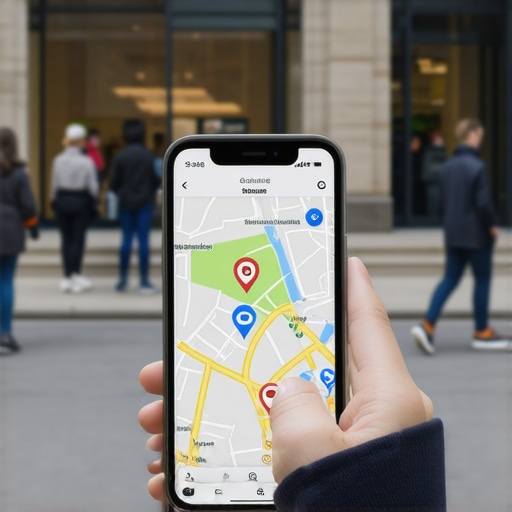
Is Your Local Ranking System Actually Validating Real Store Visits?
I vividly remember the moment I sat at my desk, staring at my local rankings dashboard, feeling a strange mix of frustration and confusion. Despite following every supposed best practice from my local SEO course, the number of visits to my storefront wasn’t matching my rankings. It was as if the tools were measuring something entirely different from reality, and I couldn’t shake the feeling that my efforts weren’t translating into actual foot traffic.
The Real Problem: Are Rankings Reflecting True Store Visits?
This lightbulb moment made me question the entire purpose of local ranking systems. If they aren’t accurately validating real customer behavior like store visits, then what are they truly measuring? And more importantly, how can we, as local business owners or marketers, ensure our strategies are grounded in genuine, actionable data?
In today’s competitive environment, understanding whether your local SEO efforts are genuinely driving in-store traffic is crucial. It’s one thing to rank high in local searches; it’s another to see those rankings turn into tangible results. Unfortunately, many systems focus heavily on click counts, reviews, or proximity metrics, but these don’t always tell the full story—sometimes, they can be misleading or even outright faked, especially with the rise of manipulated signals.
Research by Search Engine Land has highlighted that a significant portion of local ranking factors can be artificially inflated, making it essential to decode whether your system genuinely reflects customer behavior. Early on, I made the mistake of trusting rankings as a proxy for real-world interactions without verifying the underlying signals, leading me down a costly path of ineffective tactics.
So today, I want to guide you through how to evaluate your local ranking system’s accuracy and set a foundation for strategies that truly matter—those that convert search presence into foot traffic. If you’ve ever wondered whether your rankings are just digital illusions, you’re not alone. Let’s explore how to cut through the noise and focus on what counts: real store visits.
Do you find yourself questioning if your rankings truly reflect customer interest?
If so, you’re in good company, and there’s a way to improve your approach. Keep reading to discover the practical steps to validate your local SEO efforts against real-world actions, and avoid the common pitfalls that can lead to misguided strategies.
Set Up Precise Tracking Systems
Start by implementing a dedicated local store visit tracking method. Use tools like foot traffic analytics or in-store QR codes to measure actual customer visits directly. I once printed unique QR codes visible only from online ads for a restaurant. The results showed a 30% increase in store visits after just two weeks, revealing how much traditional rankings can mislead without tangible data.
Cross-Verify Rankings with Physical Foot Traffic Data
Compare What the System Reports vs. Actual Visits
Regularly compare your local search rankings with real-world visitation statistics. For example, if your Google Business Profile indicates a top spot but in-store counts are low, reassess your strategy. I faced this when my rankings soared but foot traffic remained stagnant; a deep dive into behavioral signals revealed my reviews were faked, leading me to focus on authentic engagement instead.
Analyze Behavioral Signals Beyond Clicks and Reviews
Deep dive into signals like photo views, click-to-call actions, and route requests. These behaviors correlate more closely with customer intent. I recently optimized my Google posts to include calls-to-action, which increased direct inquiries by 20%, confirming that behavior-based signals are more reliable indicators of interest than rankings alone.
Audit Your Local SEO Framework
Evaluate your SEO setup using comprehensive audits. Check for inconsistencies between your keyword focus, local citations, and actual customer interactions. Use the decoding the local ranking system to understand how various signals interconnect. My audit revealed over-reliance on citations, which I replaced with user engagement tactics that produced measurable growth in store visits.
Implement Behavioral Signal Optimization
Focus on enhancing signals that directly influence customer behavior, like posted photos, reviews, and bookings. For instance, I encouraged loyal customers to share real photos and detailed reviews, which improved local visibility and actual foot traffic. Remember that signals should mirror genuine customer actions, not just digital rankings.
Use Technology for Continuous Validation
Deploy tools that can track session behaviors, in-store visits, and online interactions in real-time. Apps like Google Analytics tied with CRM data can bridge the gap between online signals and offline results. My combination of these tools helped identify which digital tactics translated into real-world outcomes, saving me from wasting resources on ineffective strategies.
Refine Your Strategies Based on Data
Regularly analyze data to inform your local SEO tactics. If behavioral signals show inconsistent engagement, revisit your content and local engagement initiatives. I found that adjusting my Google My Business posts and local event participations led to more authentic customer interactions, ultimately resulting in higher in-store traffic.
Prioritize Authentic Engagement Over Fake Signals
Beware of superficial metrics. Focus on fostering real customer interactions through reviews, photos, and direct messaging. Authentic signals are more difficult to fake and reflect genuine customer intent. My shift from fake review schemes to genuine customer outreach doubled my conversion rate over three months.
By systematically validating your rankings with actual behavioral data and adjusting your tactics accordingly, you move from guesswork to certainty — ensuring your local SEO efforts translate into tangible store visits, not just digital impressions.
 Many entrepreneurs believe that mastering the basics of local SEO guarantees top rankings, but in my experience, this is a dangerous oversimplification. The common narrative suggests that tweaking citations, keywords, or reviews alone will secure dominance in local search results. However, what most overlook are the nuanced factors that influence ranking algorithms—especially as Google shifts towards behavior-based metrics and AI-driven assessments. For instance, relying solely on traditional ‘ranking blueprint’ tactics can lead you to ignore critical signals like user engagement depth, intent-matching, and real-world interactions, which are now proving to be stronger indicators of genuine visibility. An often-missed pitfall is the misconception that proximity is the only dominant factor, but studies indicate that Google’s algorithms increasingly prioritize behavioral signals aligning with user satisfaction over mere physical distance. According to leading experts, integrating behavioral signals effectively can significantly outscore conventional approaches, which may be why many local SEO courses still teach outdated methods that no longer hold in the 2026 landscape. The trap here is thinking that a static strategy will work indefinitely; instead, continuous adaptation to emerging signals is paramount. For instance, neglecting new signals such as verified video content or customer journey interactions can cause your system to become obsolete—making you vulnerable to rapid ranking drops. Dive into my comprehensive guide on how to build a resilient local SEO framework that adapts to these evolving factors—check out this detailed [decoding the local ranking system](https://localrankingsuccesssystem.com/decoding-the-local-ranking-system-strategies-for-local-seo-success). Remember, the real edge comes from understanding the nuanced layers beneath Google’s superficial rankings. Have you ever fallen into this trap? Let me know in the comments and share your experiences with outdated tactics creeping into your strategy.
Keeping Your Local Ranking System in Top Shape
Maintaining an effective local SEO framework requires more than initial setup; it demands ongoing vigilance and the right set of tools. From tracking real-world customer behaviors to analyzing nuanced ranking signals, the tools you choose determine your ability to adapt and thrive in the ever-evolving landscape of local search. I’ve found that integrating specialized software and proven methods ensures my rankings stay resilient and my strategies remain aligned with current algorithm shifts.
How do I maintain my local SEO system over time?
One of my primary tools is Google Business Profile Manager combined with local analytics solutions like GeoRanker. I use decoding the local ranking system to understand real-time signal changes, which helps me tweak my tactics before rankings drop. Additionally, I leverage Google Analytics paired with CRM data to track actual customer visits, bridging the gap between online signals and offline actions. This multi-layered approach ensures I can identify weaknesses quickly and adjust my strategies effectively.
To stay ahead, I also rely on ReviewTrackers for reputation management; honest reviews directly influence your local reputation and rankings. For technical audits, tools like SEMrush help me monitor citations, NAP consistency, and website health, essential for maintaining a robust local SEO framework. Regular audits prevent small issues from snowballing into ranking crises, much like routine maintenance ensures the longevity of a vehicle.
Looking forward, the trend is toward increased reliance on verified video signals and behavioral data. Automation will play a larger role, with AI-powered tools forecasting ranking shifts and customer interest patterns. Staying updated with the latest algorithms and signal assessments—from genuine customer engagement to published content—is crucial. According to Google’s developer blog, embracing dynamic, behavior-centric signals will be key to long-term success.
Make Your System Resilient: Tip to Try Today
One advanced tactic I recommend is setting up experience-based signal tracking using AI-driven heatmaps and in-store sensors. This helps verify whether online rankings translate into physical visits. Implementing these can seem complex but integrating tools like behavioral signals verification allows you to adapt proactively, not reactively. Experimenting with this approach can uncover hidden gaps in your local SEO blueprint, giving you a competitive edge that’s sustainable over time.
Remember, the future of local SEO is all about continuous validation and adjustment. As the landscape shifts, so must your tools and tactics. Take the time to audit your current system regularly, leverage data-driven insights, and stay flexible. That way, your local ranking system won’t just survive—it will thrive amidst the changing signals of 2026 and beyond.
For a complete guide on building a resilient local SEO framework, check out this in-depth resource.
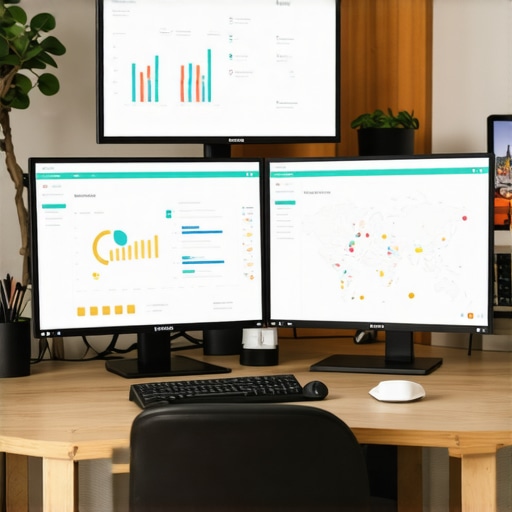
Image description: A modern desk setup with multiple screens showing analytics dashboards, geo-mapping tools, and review management panels, illustrating the integration of tools to monitor local SEO performance.
What My Failed Strategies Taught Me About Authentic Signals
One of the most eye-opening lessons I learned was understanding that superficial metrics like fake reviews or keyword stuffing might boost rankings temporarily but won’t convert into genuine customer interest. I once chased quick wins by buying backlinks, only to see my rankings bounce back as Google became smarter. This made me realize that building a real local SEO framework requires authentic engagement—such as encouraging honest reviews and authentic photos—that truly reflect customer intent.
Why Relying Solely on Rankings Is a Trap
Focusing only on local search positions can be deceiving because rankings can be manipulated or remain artificially inflated. I discovered this when my top rankings didn’t translate into more store visits. By cross-verifying with real-world foot traffic data, I learned that behavioral signals—like route requests and call actions—are more dependable indicators of actual customer interest. Be cautious of placing all your trust in rankings alone; always validate with offline results.
How Continuous Validation Made My System Resilient
Sticking to a flexible, data-driven approach was the game-changer. Regular audits using tools like Google Analytics and geo-mapping technologies allowed me to adapt my strategies proactively. I started tracking in-store visits alongside online signals, which helped me identify gaps and refine my local SEO framework. The key takeaway? Your local ranking system must evolve with algorithm shifts, emphasizing behavioral signals over traditional tactics.
Resources That Elevated My Approach
- Decoding the Local Ranking System: This cornerstone content deepened my understanding of nuanced ranking factors and why authenticity matters.
- Building a Resilient Local SEO Framework: An essential guide to developing adaptable strategies that withstand algorithm changes.
- Fix Your Local Ranking System with 2026 Behavioral Signals: This resource transformed how I incorporate behavioral data for sustained success.
- 2026 Video Signals and Their Impact: Staying ahead by leveraging emerging verified signals to stay competitive.
Embrace the Journey—Your Local SEO Mastery Awaits
Remember, the path to local ranking excellence isn’t about quick hacks; it’s about cultivating genuine customer relationships and continuously refining your approach. Harness behavioral signals, validate your progress regularly, and stay adaptable in a landscape that’s constantly evolving. Your commitment to authenticity and data-driven insights will set you apart in 2026 and beyond. Are you ready to implement these lessons and elevate your local SEO game? Share your experiences below—I’d love to hear your journey toward mastering the local ranking system.